

Court in Crimea refused questioning Chubarov as witness in Chiygoz’s case



On Tuesday, May 23, the so-called Supreme Court in the occupied Crimea delivered a judgment on the petition for interrogation the chairman of the Mejlis of the Crimean Tatar people, Refat Chubarov, as a witness in the case «February 26» against Akhtem Chiygoz.
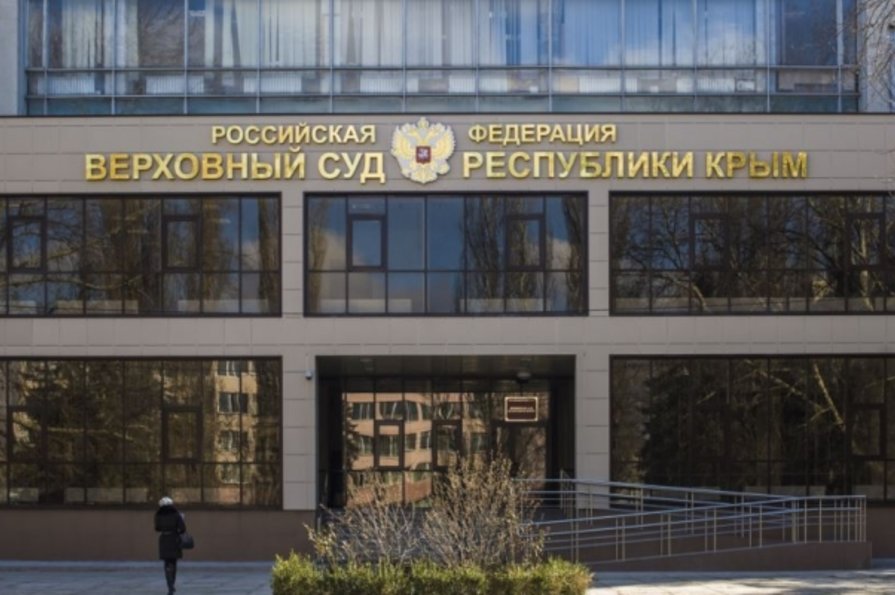
As the lawyer Nikolay Polozov stated, the court refused satisfying the political prisoner Akhtem Chiygoz’s defence’s motion and allowing questioning Refat Chubarov as a witness in the case «February 26».
«The court in Akhtem Chiygoz’s case refused to summon Refat Chubarov for interrogation as a witness in accordance with Art. 456 of the Russian Federation Code of Criminal Procedure (summon a witness, victim, expert, civil plaintiff, civil defendant, and their representatives outside the Russian Federation territory)», ─ the lawyer wrote on Facebook.
As website «15 minutes» previously reported, the head of the Mejlis of the Crimean Tatar people Refat Chubarov gave his consent to his interrogation as a witness during a meeting with the lawyer Nikolay Polozov on May 19 in Kiev.
Last week Refat Chubarov said that he was ready to arrive to the occupied Crimea and to bear as a defence’s witness in Chiygoz’s case.
Chubarov made a statement in which he agreed to bear witness to the hearing of the so-called Supreme Court in Crimea. Later, he gave his consent to his lawyer Polozov.
«I am one of those who can testify objectively on the case. The Russian legislation assumes granting me immunity while staying in Crimea. It is in case of officially summoning me to court», the head of the Mejlis said.
Lawyer Nikolay Polozov wrote on Facebook that after processing the necessary documents he would file a petition for summoning and questioning Refat Chubarov in the court.
«After processing the necessary documents defense will file a petition for summoning and questioning Refat Chubarov in the court. In accordance with Article 456 of the Russian Federation Code of Criminal Procedure, the witness will be granted its immunity from any form of persecution», Polozov wrote then.
DAA OQUNIZ